Pest Identification Library
Comprehensive guide to identifying and controlling common household pests
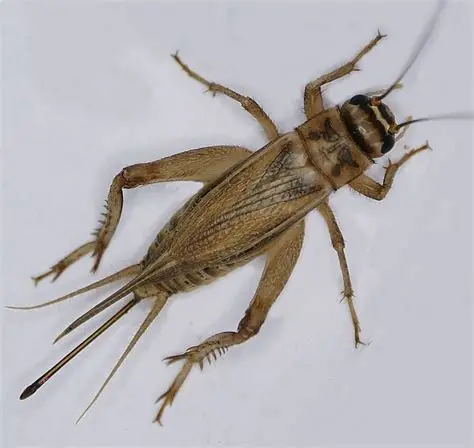 Low Risk
House Cricket
House crickets may seem harmless, but once they get inside, they multiply fast and become a nuisance. Early prevention and professional treatment are the best ways to keep your home cricket-free.
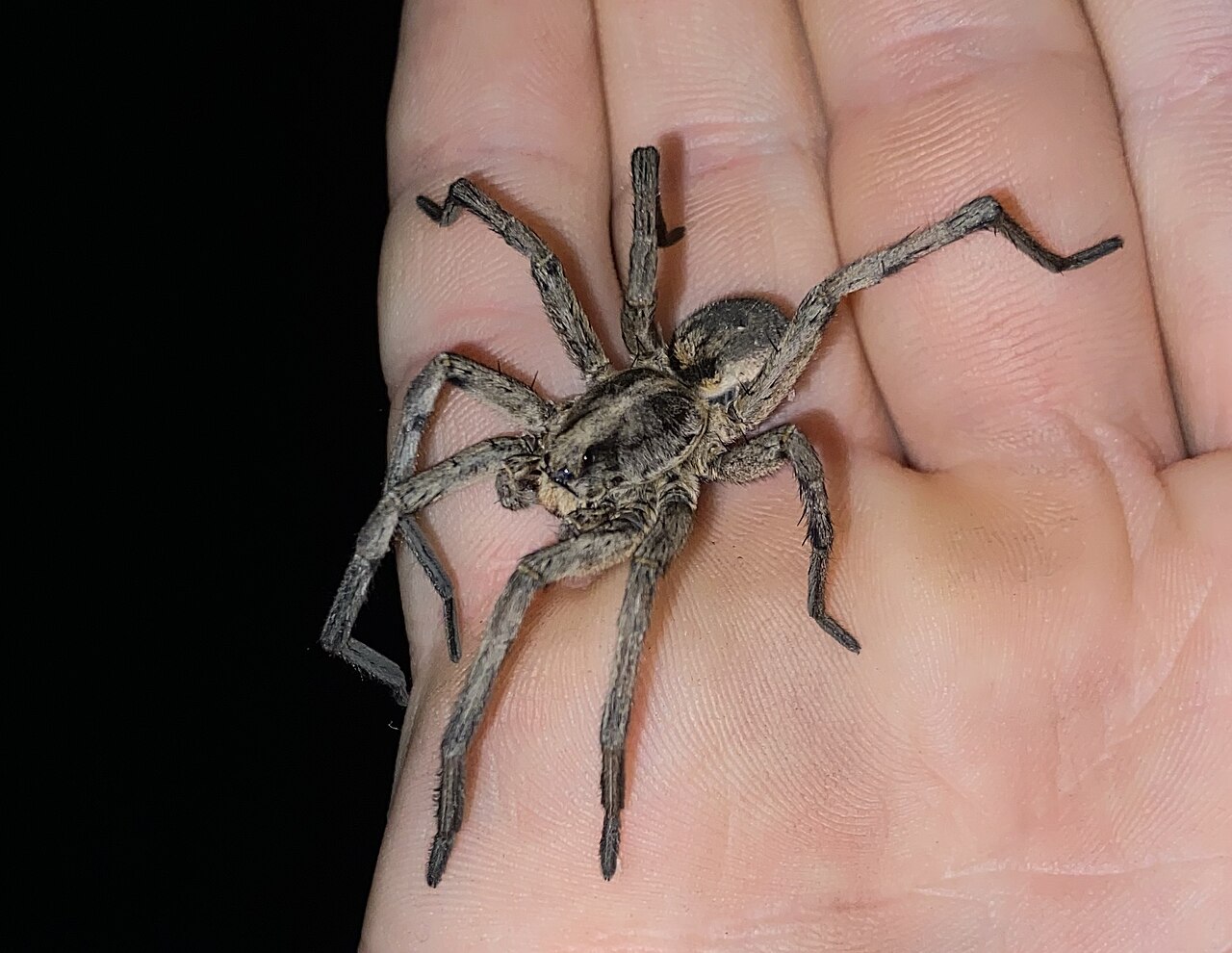 Low Risk
Wolf Spider
Wolf spiders are large, fast-moving hunting spiders known for their excellent eyesight and hairy appearance. Unlike many spiders, they do not build webs to catch prey. Instead, they actively hunt insects and other small pests.
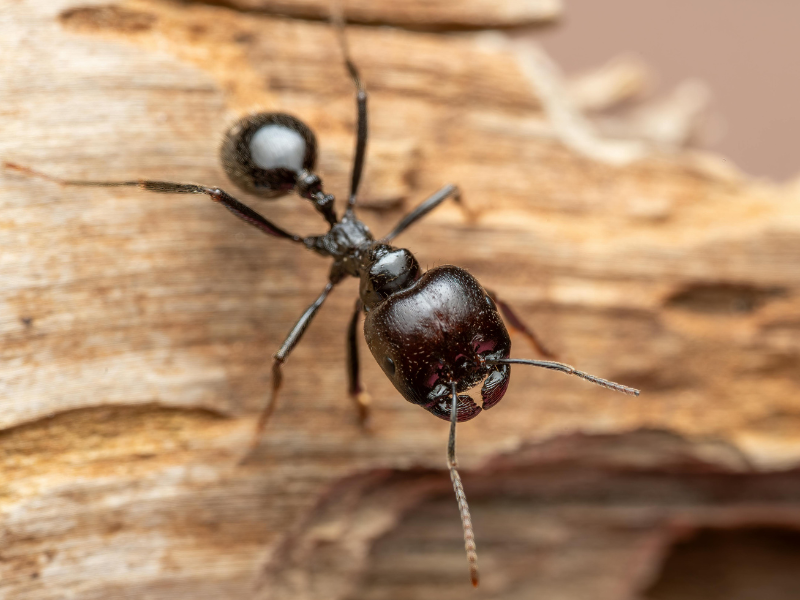 Medium Risk
Carpenter Ants
Large black ants that damage wood structures by excavating galleries for their nests.
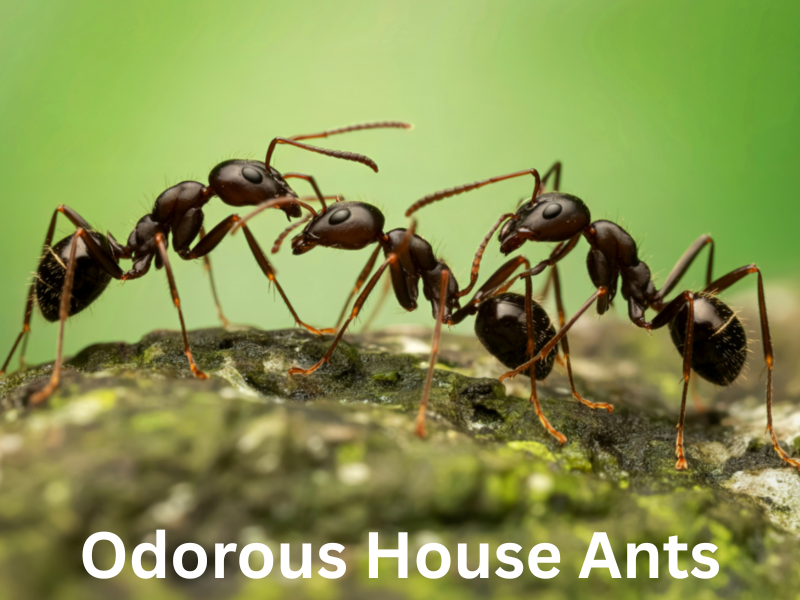 Low Risk
Odorous House Ants
Small brown ants that emit a rotten coconut smell when crushed and commonly invade kitchens.
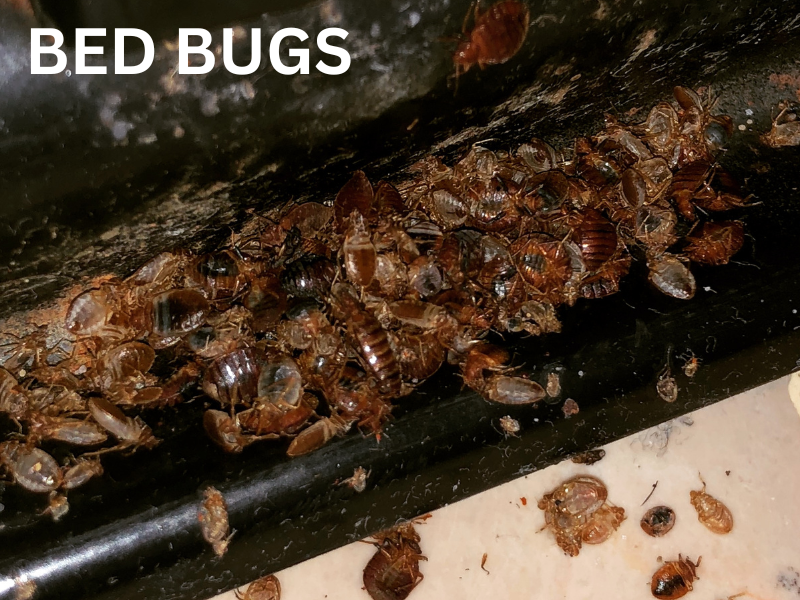 High Risk
Bed Bugs
Small parasitic insects that feed on human blood, typically at night, causing itchy bites.
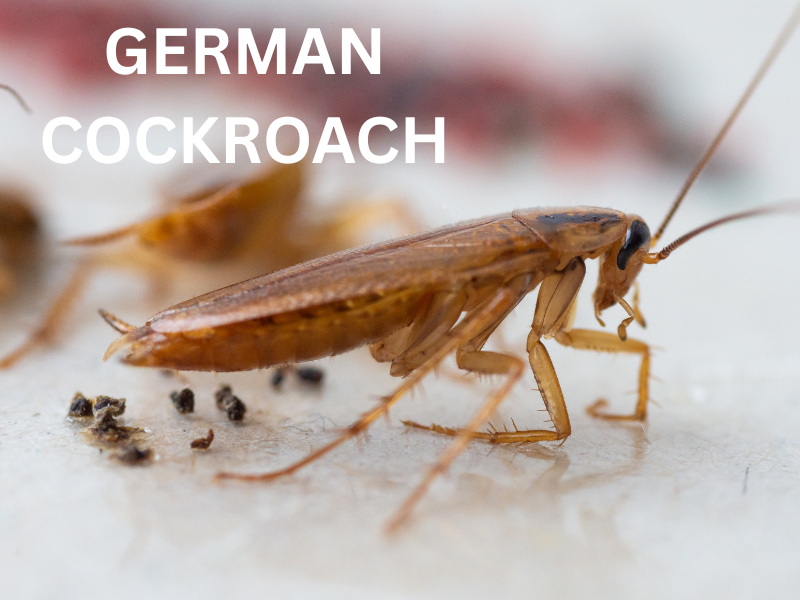 High Risk
German Cockroach
Small tan cockroaches with two dark stripes, the most common indoor roach species.
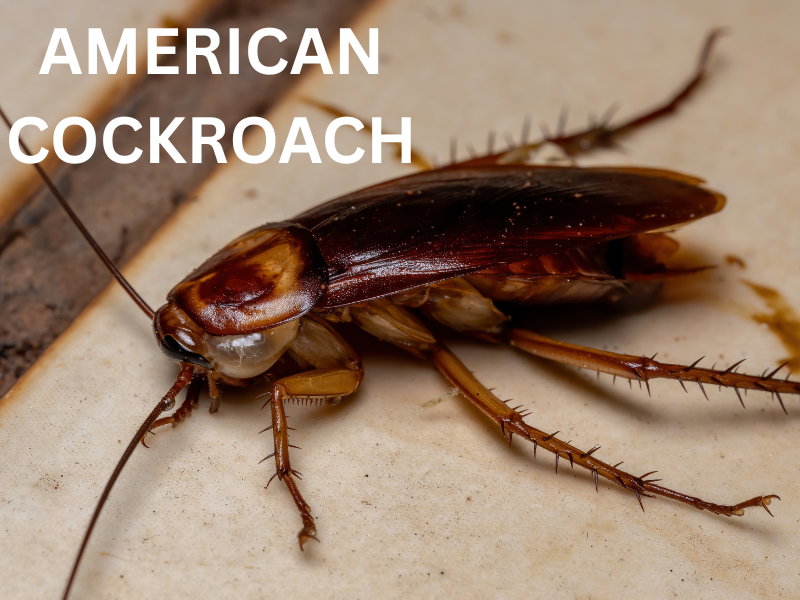 High Risk
American Cockroach
Large reddish-brown cockroaches, often called "palmetto bugs" in the South.
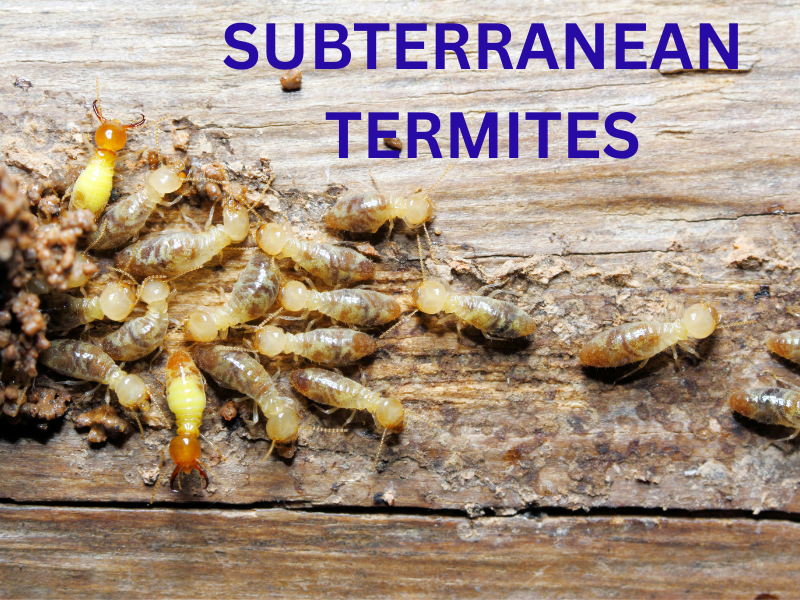 Extreme Risk
Subterranean Termites
Ground-dwelling termites that build mud tubes and cause billions in structural damage annually.
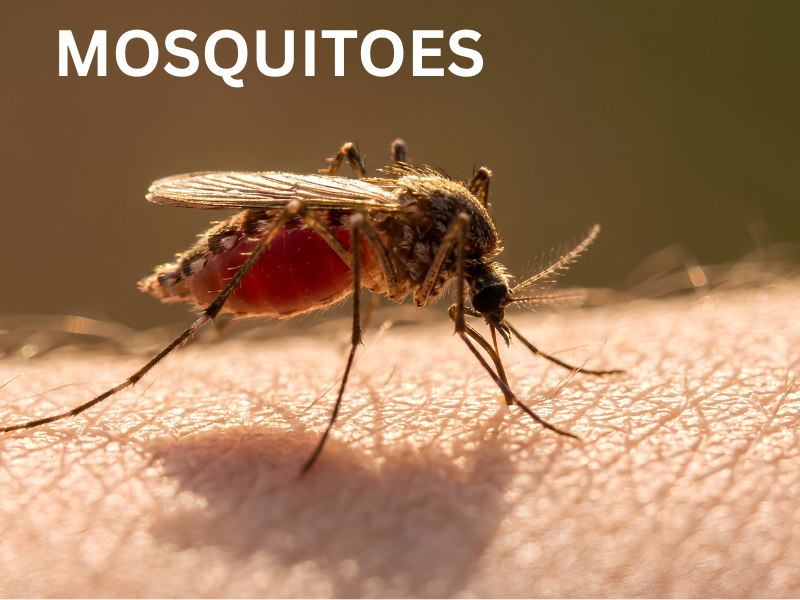 High Risk
Mosquitoes
Blood-feeding insects that breed in standing water and transmit serious diseases.
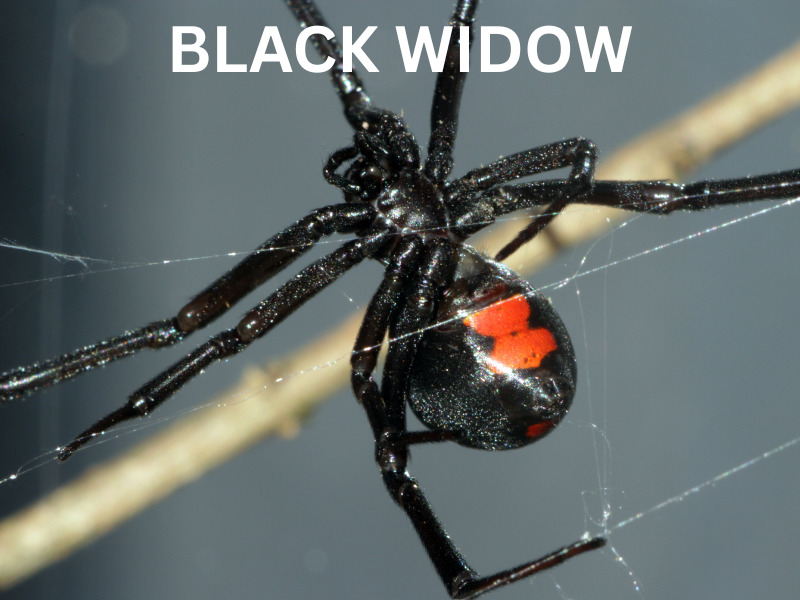 Extreme Risk
Black Widow Spider
Venomous black spider with distinctive red hourglass marking on abdomen.
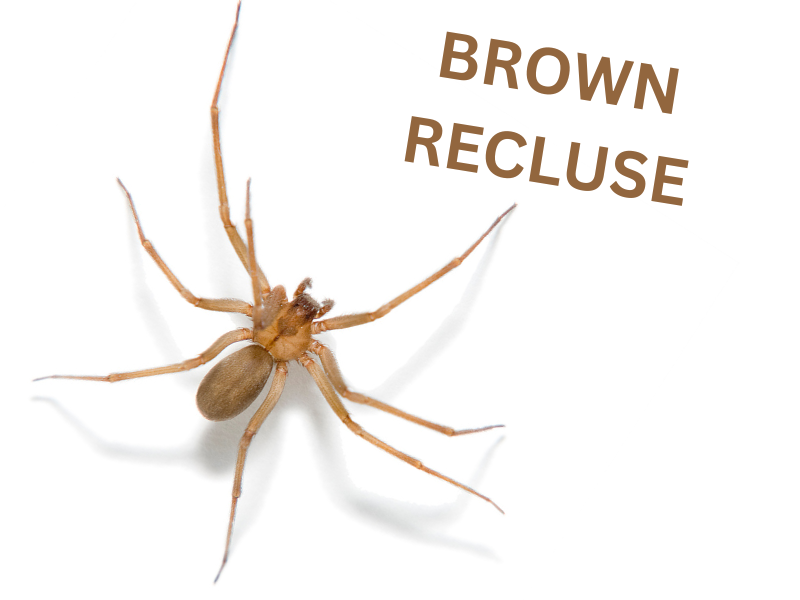 Extreme Risk
Brown Recluse Spider
Venomous brown spider with violin-shaped marking, causes necrotic skin lesions.
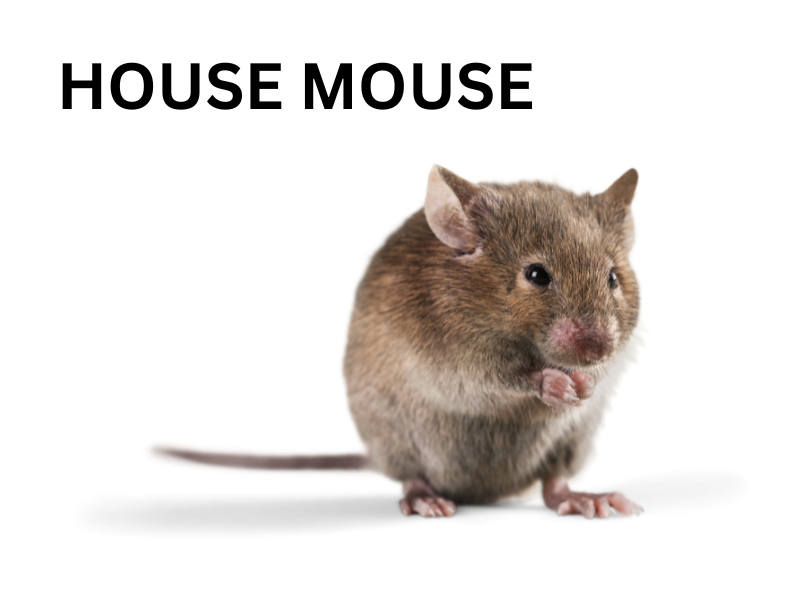 High Risk
House Mouse
Small gray rodent that invades homes seeking food, water, and shelter.
 High Risk
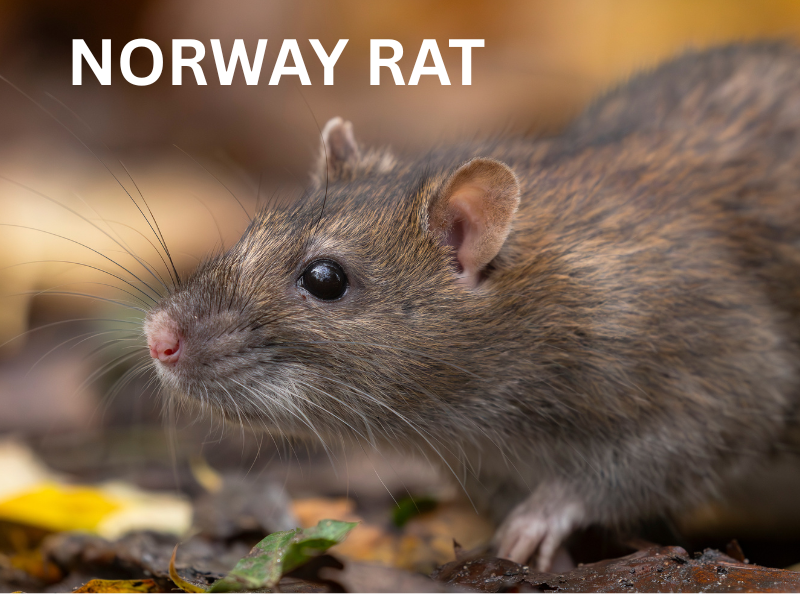
Norway Rat
Large brown rat that burrows and commonly infests basements and ground floors.
 Medium Risk
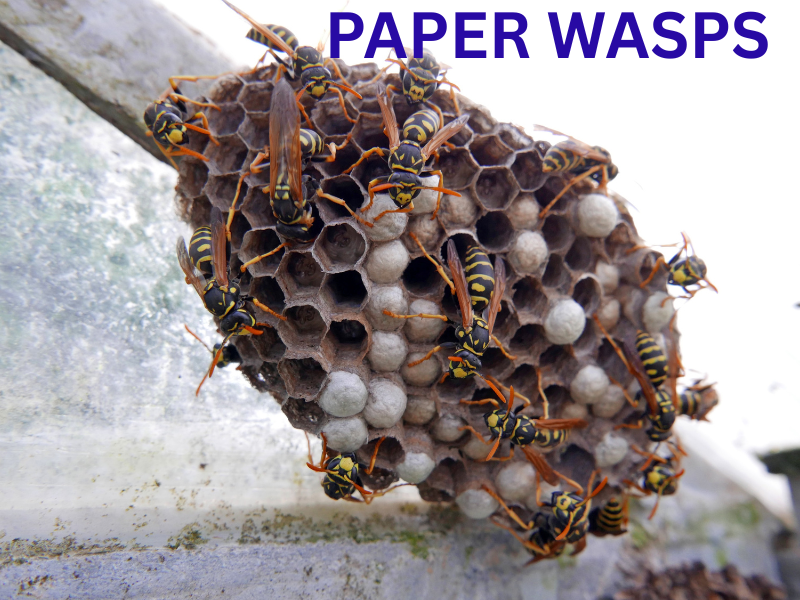
Paper Wasps
Social wasps that build open-comb paper nests under eaves and overhangs.
 Medium Risk
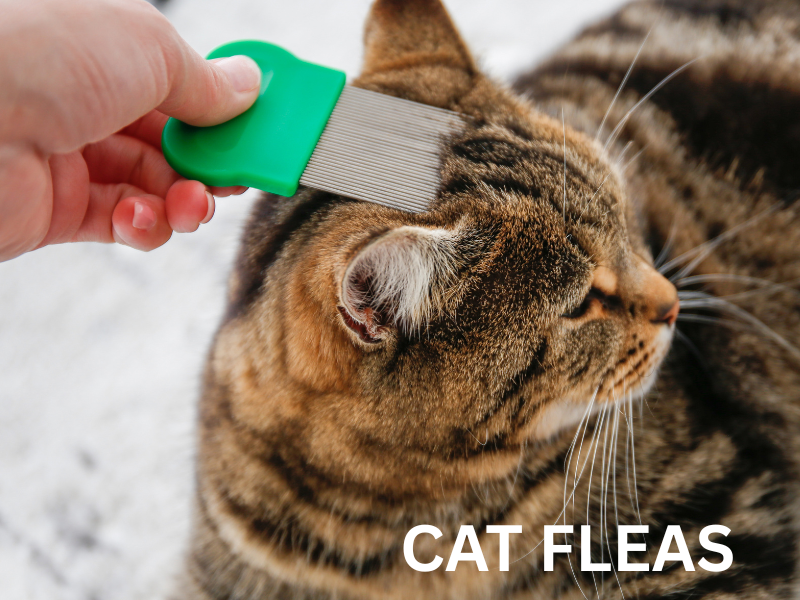
Cat Fleas
Tiny jumping parasites that infest pets and homes, causing itchy bites.
 Low Risk
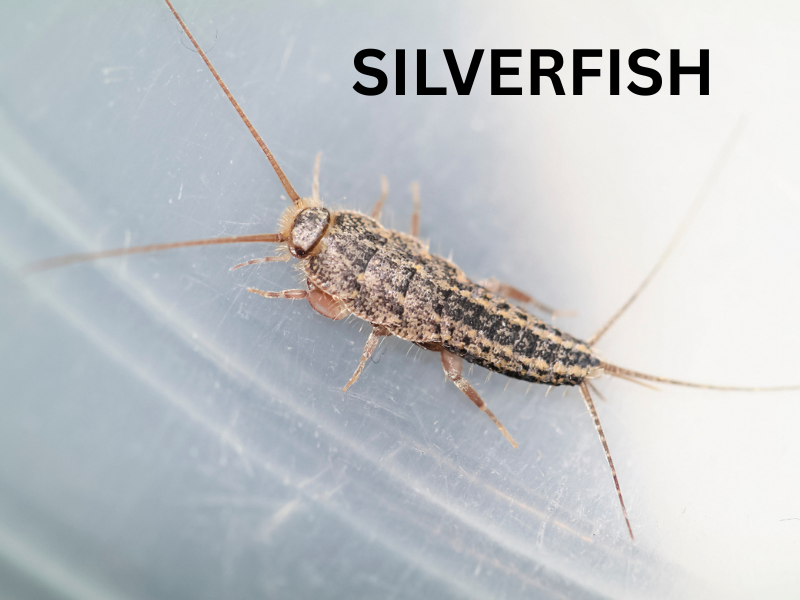
Silverfish
Wingless insects that feed on paper, glue, and starchy materials in damp areas.
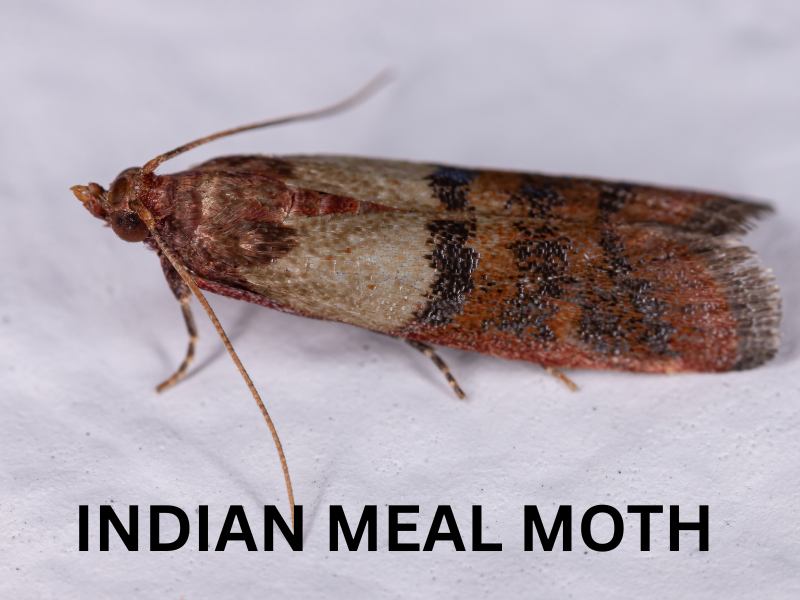 Low Risk
Indian Meal Moth
Common pantry pest moth that infests stored grain products and dried foods.
Need Professional Pest Control?
Can't identify your pest or dealing with an infestation? Our licensed technicians can help eliminate any pest problem.