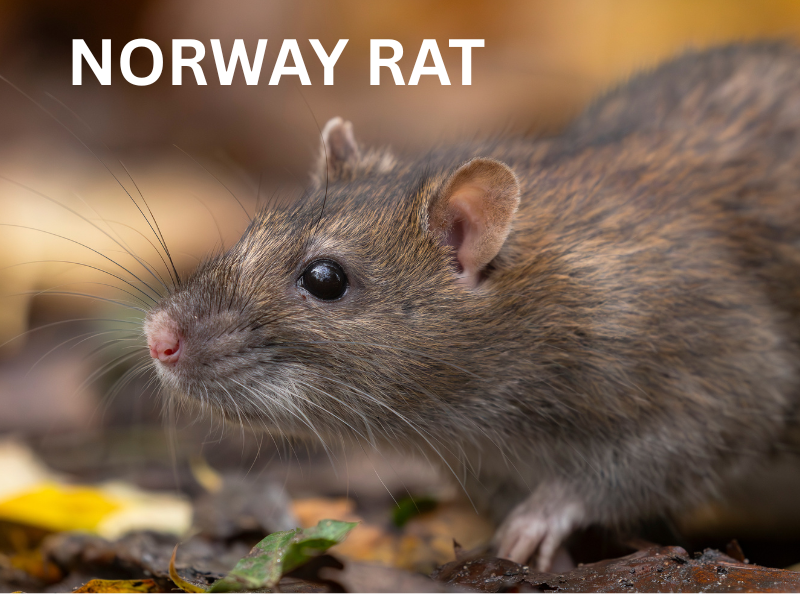
House Mouse
Small gray rodent that invades homes seeking food, water, and shelter.
About House Mouse
Identification
Small (2.5-3.5 inches body, 3-4 inches tail). Light brown to gray fur. Large ears relative to head. Pointed nose. Small, dark eyes. Long, thin, nearly hairless tail. Weighs about 1/2 ounce.
Signs of Infestation
Mouse droppings (1/4 inch, dark, rice-shaped). Gnaw marks on food packages or baseboards. Scratching sounds in walls at night. Nests made of shredded material. Grease marks along walls. Mouse sightings, especially at night. Musky odor. Tracks or runways in dusty areas.
Health & Safety Risks
Mice spread over 35 diseases through droppings, urine, saliva, and nesting materials. Hantavirus, Salmonella, and plague are serious concerns. They contaminate food and trigger allergies. Gnawing on wires causes fire hazards. Damage insulation and stored items.
Prevention Tips
Seal holes and cracks larger than 1/4 inch. Store food in sealed containers. Keep areas clean and clutter-free. Fix water leaks. Keep garbage in sealed containers. Trim vegetation away from building. Install door sweeps. Remove food sources.
Need Help with House Mouse?
Our licensed pest control professionals can eliminate your pest problem quickly and safely.