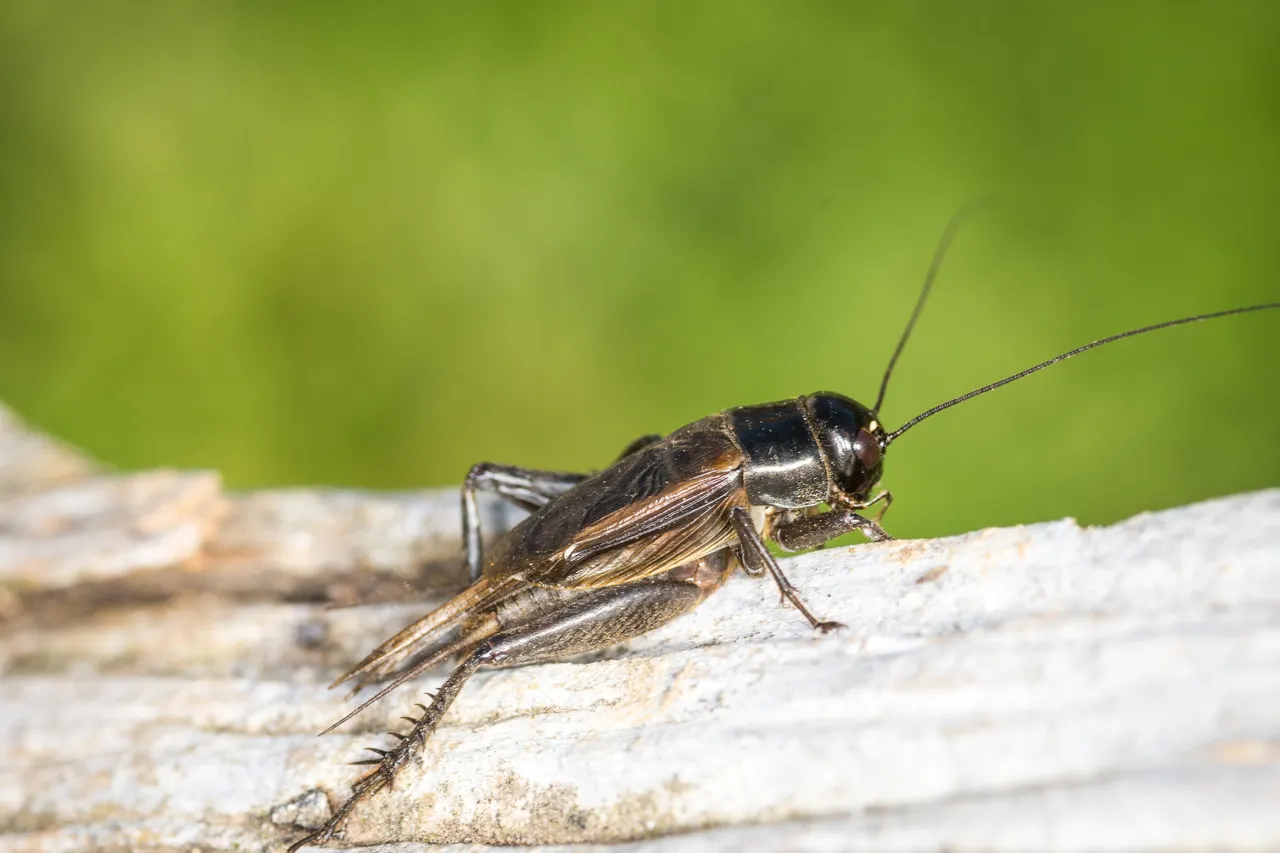
Uncovering Arizona’s Cricket World Dive into the fascinating realm of Cricket species that call Arizona home. In this introduction, we explore the unique characteristics and adaptive behaviors of these resilient insects, setting the stage for actionable insights into pest control solutions tailored to arid climates. Arizona’s diverse landscapes host several cricket species, each adapted to local environmental challenges and known for their distinct chirping patterns that can signal seasonal shifts and habitat changes. Key insights you’ll gain include: Species Identification: Learn how to distinguish between different crickets such as field crickets, house crickets, and desert-adapted variants. Behavioral Traits: Understand the adaptive behaviors these insects employ to thrive in dry, warm conditions, including nocturnal activity and seasonal breeding cycles. Environmental Impact: Discover how crickets contribute to the local ecosystem and what their presence indicates about habitat health. This guide provides a comprehensive overview designed to enhance your understanding and inform proactive pest management strategies across Arizona regions, including areas like Maricopa. By exploring how these species interact with their environment, you’ll be better equipped to address common pest challenges with informed, practical solutions. Uncovering the House Cricket: Behavior and Common Habitats House crickets, while sometimes overlooked, exhibit fascinating behaviors that can impact indoor environments. These insects are primarily nocturnal, thriving in quiet, dark areas where they feed and hide. Their gentle chirping is a signature sound in many homes, especially in warmer climates like Maricopa, AZ, where indoor temperatures often provide a cozy refuge during cooler nights. Understanding house cricket behavior can aid in effective pest management. Key aspects include: Nocturnal Activity: They are most active at night, seeking moisture and food residues. Harborage Preferences: Common locations include basements, crawl spaces, and areas with consistent humidity, such as kitchens and bathrooms. Adaptability: Their ability to exploit diverse environments makes them a consistent presence in many households. For those experiencing unexpected cricket visits, practical tips include sealing entry points, reducing indoor moisture, and maintaining cleanliness. Regular inspection of potential hiding spots can help mitigate infestations. By being aware of their behavior and common habitats, homeowners can better manage these critters and protect their indoor spaces, while also gaining insights into local pest dynamics in Arizona. Embracing the Heat: Tropical House Cricket Adaptations Tropical house crickets thrive in the warmth by taking full advantage of the conditions that many other insects find challenging. In regions known for higher temperatures, these crickets establish themselves in sheltered, humid spots provided by residential and commercial structures. Their life cycle speeds up with the heat, resulting in rapid population growth and increased activity during the warmer months. Key insights into their habitat and behavior include: Optimal Sheltering: They favor crevices, wall voids, and other dimly lit, moist areas where they can hide from predators. Efficient Reproduction: Warm climates boost their breeding cycles, which means populations can expand swiftly if left unchecked. Environmental Cues: Even slight changes in indoor humidity or temperature can encourage their movement from outdoor colonies into living spaces. For readers aiming to reduce these pests, consider practical steps such as improving ventilation, sealing gaps in structures, and reducing excess moisture around entry points. By understanding these behavioral patterns, homeowners and pest management professionals can implement proactive measures tailored to warm climates, ultimately leading to more effective, sustainable pest control strategies. Hidden Secrets: Uncovering Field Cricket Habits and Habitats Field crickets are fascinating creatures that not only add melody to the night but also play a vital role in natural pest control. Their behavior is deeply connected to the unique environments found in regions like Maricopa and across Arizona. Known for their nocturnal activity, these crickets are most active in warm, humid conditions, which allow them to thrive in both rural backyards and open fields. Understanding their habits can offer practical benefits: Nocturnal foraging: Field crickets primarily feed at night, capitalizing on cooler temperatures to escape predators. Natural camouflage: Their brown to reddish hues help them blend seamlessly with the ground cover in arid landscapes. Protective burrows: Many create underground tunnels, which serve as a shield against harsh daytime temperatures and provide a stable microclimate. By recognizing the environments these insects prefer—such as grassy, sheltered areas with ample organic material—you can better interpret the ecological balance of your local habitat. Familiarity with these behaviors not only enriches your understanding of local biodiversity but also informs effective, environmentally responsible pest management techniques. Enigmatic Night-Dwellers: Unveiling the Jerusalem Cricket's Hidden Traits The Jerusalem Cricket, known for its distinctive, low-frequency sound, captivates those who appreciate the mysteries of nocturnal wildlife in Arizona. This fascinating insect emerges as twilight falls, using its unique auditory cues as a means of communication and defense. Residents in areas like Maricopa, AZ, may notice these creatures during warmer evenings when the desert cools down. Their behavior not only intrigues natural enthusiasts but also provides insights into the broader ecosystem dynamics of arid regions. Key insights include: A heightened nocturnal activity that aligns with optimal nighttime temperatures. A sound-based defense mechanism rather than a mating call, indicating adaptive survival strategies. Their presence in urban and suburban settings, which underscores the importance of understanding native insect behavior for effective pest management. By studying these patterns, local homeowners and pest control specialists can better predict when and where these insects might appear. This knowledge supports the development of integrated pest management practices that are both environmentally conscious and effective, ensuring that natural habitats are respected while maintaining a comfortable living space. What environmental factors attract crickets in Arizona? Arizona's warm climate and arid conditions create ideal breeding grounds for crickets. They are commonly found around moist areas, gardens, and shaded landscapes. Homeowners in regions like Maricopa observe that crickets often gather near outdoor lighting and irrigation systems, making it crucial to manage moisture and remove excess debris. How do crickets impact local environments? While crickets play a role in the natural ecosystem by aerating soil and serving as prey for birds and reptiles, an overabundance can damage landscaping and gardens. Their increased activity may disrupt the balance, particularly during spring and summer months when reproduction peaks. What are the best initial steps for managing a cricket invasion? Consider the following actions: Seal cracks and crevices around doors and windows. Reduce moisture by fixing leaks and using proper drainage. Maintain a tidy garden by removing clutter and organic debris. Are seasonal trends relevant in cricket management? Absolutely. Crickets are more active during warm, humid evenings. Monitoring for spikes in activity during these periods can help inform preventative measures. How can proactive maintenance assist in long-term control? Regular inspections, landscape upkeep, and monitoring water sources are essential tactics to reduce recurring infestations and maintain a balanced ecosystem around your home. Final Thoughts on Professional Cricket Management In closing, addressing cricket infestations—especially in Arizona’s unique environment—requires a strategic approach that combines expertise with practical, on-site solutions. Professional pest control offers targeted strategies that address the root of cricket problems rather than just temporary fixes. By opting for expert guidance, homeowners and property managers can benefit from integrated pest management techniques that balance safety, cost-efficiency, and long-term effectiveness. Key takeaways include: Assessing your property for potential infestation zones. Implementing proactive measures to deter cricket populations. Leveraging local knowledge and specialized treatments specific to Arizona’s climate. As you move forward, consider scheduling regular evaluations to catch early signs of trouble. A thorough understanding of natural behaviors and habitat preferences for crickets can empower you to make informed decisions and implement efficient control methods. Embrace these actionable steps, and remember that a well-managed environment not only protects your home but also enhances overall community quality. Take charge today to secure a safer, pest-free space—your vigilance makes all the difference.
Pest Solutions
Guide to Arizona Crickets and Pest Control Solutions
Tags:
house crickets Arizona
house cricket habitat
where do house crickets come from
how to get rid of house crickets
cricket infestation Arizona
pest control Maricopa AZ
Pest Control Bros cricket treatment
Share this post:
Related Articles
Admin
Pest Control Expert
Subscribe for Tips
Get monthly pest prevention tips and special offers.
Recent Posts
GeckoMan LED Indoor Bug Zapper Indoor Fruit Fly Trap
May 22, 2026
Need Professional Help?
Don't let pests take over. Get a free inspection and quote today!